
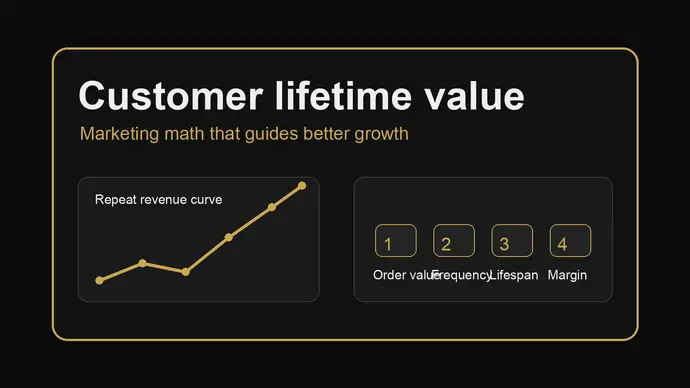
Customer retention strategies are the difference between a business that keeps buying attention and a business that compounds trust. Acquisition still matters, but a customer who comes back is usually easier to sell to, easier to learn from, and more likely to refer someone else.
Bain & Company research, often cited by Harvard Business Review, found that a 5% increase in retention can increase profits by 25% to 95%. Salesforce's latest connected customer research also shows why retention has become harder: 73% of customers say companies treat them like individuals, a major jump from the prior benchmark, while 71% feel more protective of their personal information. Customers want relevance, but they are less patient with lazy personalization.
That makes retention a marketing job, a service job, and an operations job. You cannot fix churn with one loyalty email. You need a system that gives people reasons to stay before they start looking around.
Why customer retention strategies matter more than acquisition alone
Most small teams are trained to chase new leads. More traffic, more followers, more booked calls, more campaign volume. That work can pay off, but it gets expensive when the back end leaks. If customers try once and disappear, the business has to replace them every month just to stand still.
Retention changes the math. Repeat customers already understand the offer, have fewer objections, and have experienced some version of the outcome. The work becomes less about convincing strangers and more about deepening a relationship that already exists.
Retention also improves your marketing data. New customers tell you what got attention. Returning customers tell you what created value. That is the part most businesses miss. If your highest lifetime value customers share the same use case, content preference, or service expectation, that should shape your offers, emails, social content, and follow-up process.
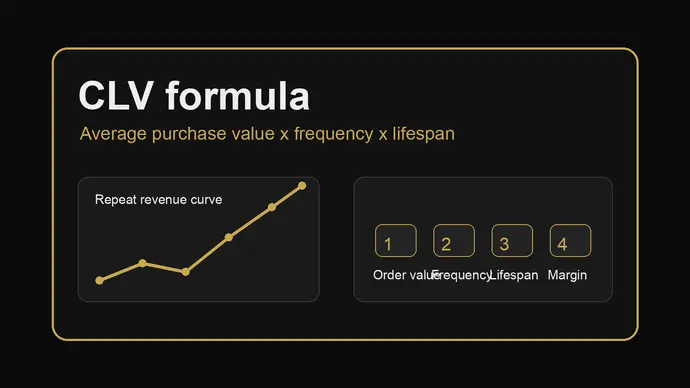
If you have not mapped lifetime value yet, start with the basics. Aslan Agency's guide on how to calculate customer lifetime value pairs well with this article because it shows which customers are worth retaining first.
Customer retention strategies that start with the first purchase
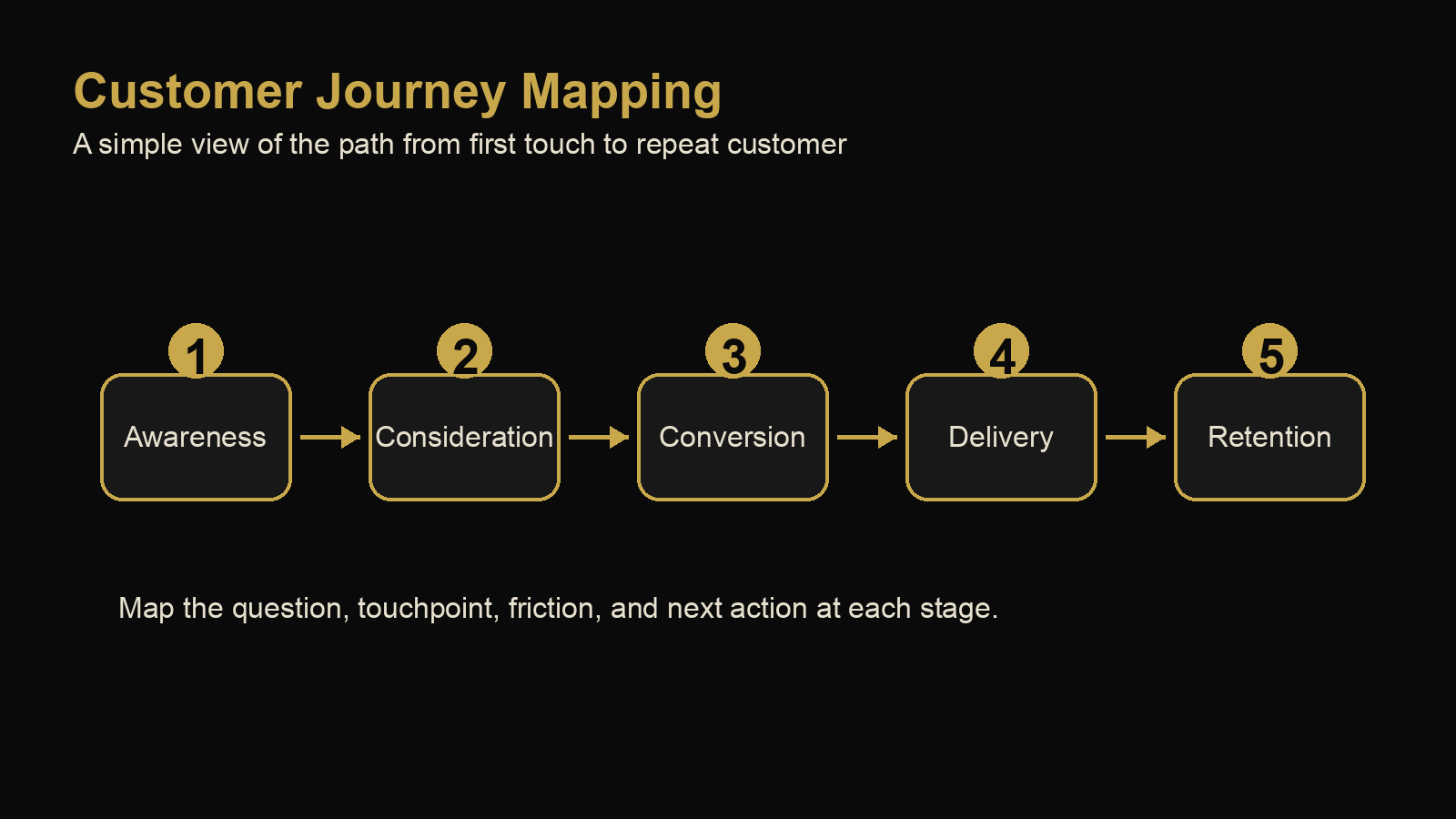
Retention does not begin after a customer leaves. It starts the moment someone buys, books, subscribes, or says yes. The first experience teaches them whether your business is organized, thoughtful, and worth returning to.
A strong first-purchase retention system answers four questions quickly: what happens next, how soon they will see value, who they contact if they need help, and what action they should take first. If those answers are unclear, customers fill the gap with doubt.
Build a welcome sequence that does more than say thanks. For service businesses, that can mean a short onboarding email with timelines, document requests, office hours, and the first milestone. For ecommerce, it can mean usage tips, delivery expectations, care instructions, or a quick setup video. For memberships, it can mean a guided first week instead of dumping customers into a portal and hoping they explore.
Do not overload the first message. Give people the next useful step. Then follow up based on behavior. Someone who has not logged in needs a different message than someone who completed the first action and is ready for more.
Customer retention strategies built on useful segmentation
Segmentation gets overcomplicated fast. You do not need thirty customer groups. You need a few useful differences that change what you say and when you say it.
Start with three groups: new customers, active repeat customers, and slipping customers. New customers need confidence. Active customers need recognition and next-step offers. Slipping customers need a reason to return before the relationship goes cold.
Once that works, add behavior-based segments. Separate customers by purchase category, service type, last engagement date, average order value, content interest, or stated goal. The test is simple: would this segment receive a meaningfully different message? If not, skip it.
Email is usually the cleanest channel for this because it gives you direct reach and measurable behavior. Social content supports the relationship, but email can carry specific offers, education, check-ins, and renewal prompts. If your list is messy, this guide on email segmentation strategy is a useful next step.
★★★★★5-star client feedback
Turn your customer Retention Strategies into a growth plan.
Tell us what you are trying to achieve with marketing. We will turn the ideas in this guide into a practical next-step plan.
1. Create a better onboarding path
A customer should never wonder, "Did this work?" after taking action. Confirmation pages, receipts, welcome emails, and first-touch messages should all point in the same direction.
Good onboarding is specific. Tell customers what happens next, what they should do now, and when they should expect the next update. If the customer needs to submit information, make that request easy. If they bought a product, show them how to get the best result. If they joined a service, show the first milestone.
The fastest win is to audit the first 72 hours after purchase. Look for silence, repeated instructions, broken links, unclear timelines, or messages that sound friendly but do not help. Fix those first.
2. Set expectations before customers get frustrated
Many retention problems are expectation problems. Customers leave because the result took longer than they expected, the process felt unclear, or they misunderstood what was included.
Be direct early. If results take 60 days, say that. If a plan includes two revisions, explain it before the customer asks for a third. If a product has a learning curve, give customers the shortcut upfront.
This is not about lowering ambition. It is about removing surprise. Customers are more patient when they understand the path.
3. Use customer education as a retention engine
Customers stay when they keep getting value. Education helps them get that value faster.
Useful education can be simple: a setup checklist, a monthly tip email, a short tutorial, a comparison guide, a playbook, or a recurring "what to do next" message. The goal is not to create a huge library. The goal is to solve the next question before it becomes a support ticket or a reason to quit.
Social media can support this well. Turn common customer questions into posts, short videos, carousel breakdowns, and email snippets. The more customers understand how to win with your product or service, the less likely they are to drift.
4. Build feedback loops people will actually use
Most feedback requests are too long or too vague. "How was your experience?" is easy to ignore. Ask better questions at better times.
After onboarding, ask: "Was anything unclear?" After delivery, ask: "What almost stopped you from buying again?" After a cancellation, ask: "What changed?" These questions give you answers you can use.
Keep the path short. One-click ratings, two-question forms, and plain-text email replies often beat long surveys. Then close the loop. If a customer reports a problem and you fix it, tell them. That turns feedback from a request into proof that the business listens.
5. Personalize without getting creepy
Personalization works when it is helpful. It fails when it feels like surveillance or when it uses data without giving anything back.
Use the data customers expect you to remember: what they bought, what they asked about, where they are in the process, what plan they use, and what goal they shared. Avoid fake intimacy. A relevant reorder reminder is useful. A forced first-name subject line attached to a generic blast is not.
Salesforce's customer research points to the tension clearly: more customers feel recognized, but data caution is rising at the same time. The lesson is simple. Earn the right to personalize by making the experience better.
6. Reward the behavior you want repeated
Discounts are not the only reward. In fact, constant discounts can train customers to wait.
Reward loyalty with early access, useful bonuses, priority scheduling, exclusive education, surprise upgrades, account reviews, referral credit, or recognition. The best reward depends on what your customers value. A busy service client may care more about faster response times than 10% off. A repeat ecommerce customer may care more about bundles, samples, or restock reminders.
Make the reward easy to understand. If customers need a spreadsheet to decode the program, they will not use it.
7. Win back slipping customers before they leave
A customer who has gone quiet is not always lost. They may be busy, unsure, stuck, or waiting for the right reason to return.
Create a simple inactivity trigger. For example, if a customer has not purchased, booked, logged in, opened, or replied within a normal repeat window, send a useful check-in. Reference their last action and offer a clear next step.
A good win-back message does not beg. It helps. Try a reminder, a fresh recommendation, a short diagnostic, a limited-time bonus, or a direct question about what changed. If they still do not respond, reduce frequency instead of hammering them.
8. Make support part of marketing
Support is where retention gets won or lost. A fast, clear, human answer can do more for loyalty than another campaign.
Track the questions customers ask before they cancel, refund, downgrade, or stop buying. Those questions should become content, onboarding improvements, product fixes, and sales page updates. If people keep asking the same thing, the business has not explained it clearly enough.
Support language matters too. Replace policy-heavy replies with clear options. Tell customers what you can do, what you cannot do, and what happens next. People do not expect perfection. They expect ownership.
9. Measure retention with a small set of numbers
You do not need a giant dashboard to improve retention. Start with a few numbers that show whether customers are staying and buying again.
Track repeat purchase rate, customer lifetime value, churn rate, time between purchases, subscription renewal rate, referral rate, and support tickets by customer stage. For content-driven businesses, also watch email engagement, community activity, and product usage.
Review the numbers monthly. Look for patterns by source, offer, campaign, and customer type. If customers from one channel retain better than another, that channel deserves more attention. If one offer creates high refunds or low repeat purchases, the promise may need work.
10. Turn retention insights into better acquisition
The best retention insights should improve your front-end marketing. If your longest-retained customers mention the same pain point, make that pain point more visible in your content. If they stay because of a specific process, show that process earlier. If they refer because the experience is easy, make ease part of the pitch.
This is where retention and acquisition connect. Retention shows who you serve best. Acquisition should bring in more of those people.
Interview your best customers. Read reviews. Study support threads. Look at repeat purchase behavior. Then update your positioning, content calendar, email flows, and offers around what your strongest customers already prove.
How to choose the right customer retention strategies first
If you try to fix everything at once, the work gets messy. Start with the stage where customers are dropping off fastest.
If new customers go quiet, fix onboarding. If repeat buyers are rare, improve post-purchase education and reminders. If churn spikes after a specific milestone, review expectations and support. If loyal customers are not referring, create a clearer referral ask and give them a reason to share.
Retention is not one campaign. It is a set of small promises kept consistently. The businesses that win here are not always the loudest. They are the ones that remember what customers need after the sale.
★★★★★5-star client feedback
Ready to put your customer Retention Strategies into action?
Bring us your goals, current setup, and biggest constraint. We will map the clearest way to apply marketing to your business.