
Welcome email series examples are useful because the first few emails after signup set the tone for the whole relationship. A new subscriber just raised a hand, asked for something, or showed interest in what you do. The mistake is treating that moment like a normal newsletter send. A welcome series should answer the question the subscriber is already thinking: "What happens now?"
Good welcome emails do not need to be complicated. They need to arrive quickly, make the next step obvious, and give people a reason to keep opening. In 2026, that matters more than ever because open rates are easier to misread. Apple Mail Privacy Protection and security scanners can inflate opens, so clicks, replies, purchases, booked calls, and retained subscribers tell a more honest story.
The examples below are built for small teams that want a practical system, not a giant automation map. Use them as starting points. Adjust timing, offers, and calls to action based on how people join your list and what they expect from you.
Why Welcome Email Series Examples Work Better Than One Email
A single welcome email can confirm the signup and deliver the promised resource. A series gives you room to build trust before asking for anything big. That difference matters when someone joins from a lead magnet, social profile, referral, webinar, product page, or contact form. They may know very little about you. They may not remember why they signed up by tomorrow.
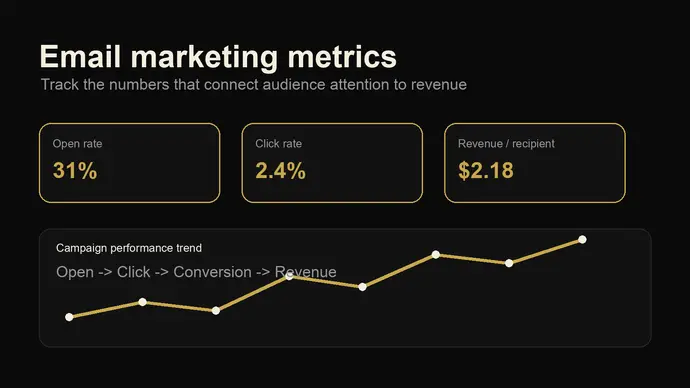
Current email benchmarks show why the welcome window is so valuable. Many 2026 benchmark reports place average email open rates in the 35% to 45% range, but those numbers can be inflated by privacy and security tools. Click rates tend to sit much lower, often around 2% to 4% for normal campaigns. Welcome emails usually perform better because the subscriber is fresh, but only if the content matches the signup intent.
That is why the first few emails should not read like random broadcasts. They should feel connected. Email one confirms the promise. Email two gives context. Email three removes doubt. Email four moves the person toward a clear action. The sequence is simple, but the order does real work.
If your list is still growing, pair this with a clean offer from your social channels. The guide on building an email list from social media covers ways to bring in subscribers who are more likely to care about your welcome emails in the first place.
Welcome Email Series Examples for a Lead Magnet Signup
This is the most common welcome series for service businesses, creators, consultants, and local companies. Someone signs up to get a checklist, template, guide, discount, webinar replay, quiz result, or short training. The goal is to deliver what they asked for, then connect that resource to a broader problem you can help solve.
Email 1: Deliver the resource. Send this immediately. Use a direct subject line such as "Your checklist is here" or "Here is the template you requested." Keep the copy short. Confirm what they downloaded, explain how to use it, and include one link to access it. Do not bury the main link under a long intro.
Email 2: Show the best first step. Send this one day later. Most people download resources and never use them. Help them get one quick win. If they downloaded a content calendar, tell them to fill in one week first. If they downloaded a campaign checklist, tell them to audit one existing campaign before building a new one.
Email 3: Share a mistake to avoid. Send this two or three days after signup. The best version of this email is specific. For example, "The mistake is planning thirty posts before you know which three topics people respond to." Then give a short fix. This email builds trust because it shows you understand the real friction.
Email 4: Invite the next action. Send this four to six days after signup. Ask the subscriber to reply with a question, book a consult, read a related guide, or choose a path. The CTA should match the temperature of the list. A cold subscriber may need one more helpful resource. A high-intent subscriber may be ready for a call.
★★★★★5-star client feedback
Turn your welcome Email Series Examples into a growth plan.
Tell us what you are trying to achieve with email marketing. We will turn the ideas in this guide into a practical next-step plan.
Welcome Email Series Examples for Service Businesses
A service business welcome series should help people understand your process before they talk to you. Most prospects are trying to answer quiet questions: Can this person help me? Do they understand my situation? What would working together feel like? Your welcome emails should answer those questions without turning every message into a pitch.
Email 1: Set expectations. Thank the person for joining, then tell them what kind of emails they will receive. This can include practical tips, examples, short breakdowns, or occasional service updates. If they requested a resource, deliver it near the top.
Email 2: Explain your point of view. Share a simple belief that guides your work. For a marketing team, that might be: consistency beats posting only when inspiration hits. For a web team, it might be: a site should turn attention into inquiries, not just look polished. Keep it grounded in a problem the subscriber already recognizes.
Email 3: Show a before-and-after pattern. You do not need a full case study. You can describe a common before state and the better after state. Example: "Before: five disconnected platforms, no monthly reporting, and unclear ownership. After: one content plan, one reporting rhythm, and clear weekly actions." This makes your service easier to understand.
Email 4: Offer a low-pressure next step. Invite the reader to reply with their main question or book a short call. The copy should feel human. A line like "If you are trying to figure out what to fix first, send me the link and I will point you in the right direction" feels more natural than a hard sell.
This sequence also works well with a basic segmentation step. If you serve multiple audiences, ask people to click the option that describes them best. Then send future emails based on that choice. The article on email segmentation strategy explains how to do this without making your setup messy.
Welcome Email Series Examples for Ecommerce and Product Sellers
Product sellers often have two welcome paths: one for people who joined before buying and one for people who joined after buying. Do not send both groups the same sequence. A new subscriber needs reasons to trust the product. A new customer needs reassurance, usage tips, and a reason to come back.
For a pre-purchase subscriber, use this structure:
Email 1: Deliver the signup incentive. If someone joined for a discount, send it immediately. Make the code easy to copy and explain any limits clearly. If the incentive is content, place the link near the top.
Email 2: Help them choose. Send a buying guide, quiz result, starter recommendation, or best-seller breakdown. This email should reduce decision fatigue. Too many choices make people stall.
Email 3: Answer objections. Cover shipping, sizing, returns, ingredients, setup, care, or compatibility. Use the objections your support inbox already receives. The goal is not to pressure the reader. The goal is to remove the questions that keep them from acting.
Email 4: Add social proof. Share reviews, customer photos, press mentions, or a short story about how people use the product. Keep it tight. The proof should connect to the buyer's decision, not just praise the company.
For a post-purchase subscriber, send a different first email. Confirm the order, explain what happens next, and give one useful tip before the product arrives. Later emails can teach setup, care, usage ideas, and companion products. This is where retention starts.
A Simple Welcome Email Series Template You Can Copy
If you want the shortest useful version, start with this five-email structure. It works for newsletters, service businesses, course creators, communities, and many product companies.
Email 1, immediately: "Here is what you asked for." Deliver the resource or incentive. Tell readers what to expect next. Include one primary link.
Email 2, day 1: "Start here." Give one quick action. Keep the message focused on a small win.
Email 3, day 3: "Most people get this part wrong." Teach one useful lesson. Use a real example. Avoid vague advice.
Email 4, day 5: "How this works in practice." Share a short example, customer pattern, teardown, or mini case study. Make the result concrete.
Email 5, day 7: "Want help with this?" Invite a reply, call, purchase, demo, consultation, or next resource. The ask should be clear and easy to take.
This template is intentionally simple. Most welcome series fail because they try to say everything at once. A better approach is to give every email one job. When each message has a single purpose, the sequence is easier to write, easier to measure, and easier to improve.
What to Measure After Your Welcome Series Goes Live
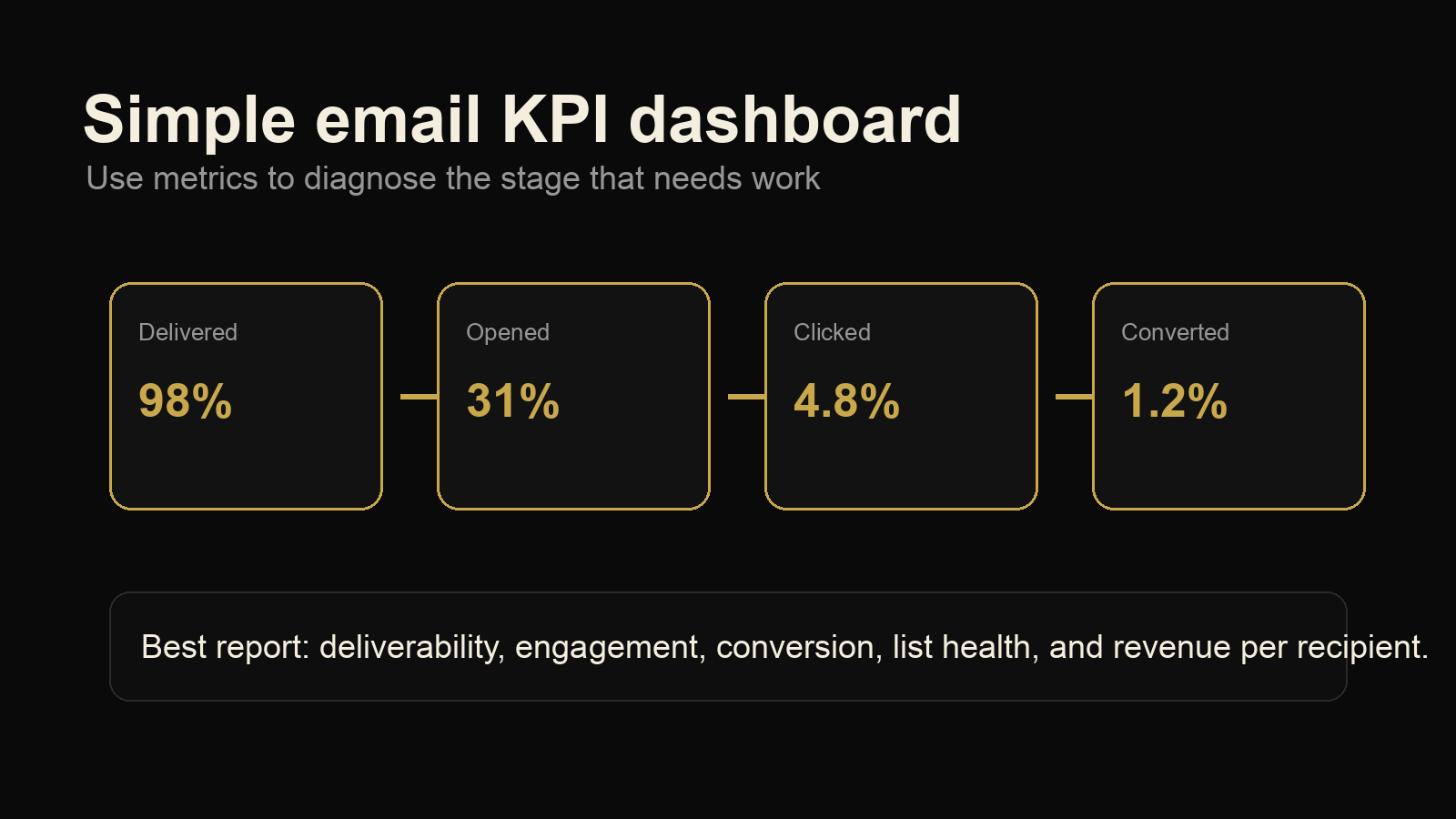
Open rate is still useful for spotting major deliverability problems, but it should not be the main success metric. Privacy tools and automated scanners can distort the number. Use opens as a directional signal, then look at actions people take after opening.
Track click rate by email, reply rate, conversion rate, unsubscribe rate, spam complaints, and the number of people who take the intended next step. If email two gets strong clicks but email three loses people, the lesson in email three may be too broad, too sales-heavy, or poorly timed. If email five gets replies but no booked calls, the CTA may need a clearer offer.
Also watch the gap between signup source and performance. Subscribers from a practical template may behave differently than subscribers from a giveaway, social post, podcast appearance, paid ad, or checkout box. Treat those sources separately when you can. The same welcome email may be perfect for one group and weak for another.
Do not rewrite the whole series after one week. Give it enough volume to see patterns. Then improve one email at a time. Start with the email that has the clearest problem, such as low clicks, high unsubscribes, or poor conversion from a specific CTA.
Common Welcome Email Mistakes to Fix First
The first mistake is waiting too long. If someone signs up and does not hear from you right away, the moment cools off. Send the first email immediately unless there is a strong reason not to.
The second mistake is making the first email about you. A short introduction is fine, but the subscriber joined for a reason. Deliver that reason first. Then earn attention for the rest of the story.
The third mistake is adding too many links. A welcome email with seven options creates confusion. One main CTA usually performs better because people know what to do next.
The fourth mistake is mixing sales emails, newsletters, and welcome emails at the same time. If possible, suppress new subscribers from regular campaigns until they finish the welcome series. This keeps the experience cleaner and prevents a new subscriber from receiving a discount email, a newsletter, and a welcome email in the same day.
The fifth mistake is never updating the series. Your offers, best content, customer questions, and positioning will change. Review the sequence every quarter. Replace weak links, update dated claims, and make sure the CTA still matches your current business goal.
How to Choose the Right Welcome Email Series Examples for Your List
Pick the example that matches the reason people joined. If they joined for a lead magnet, build around the resource. If they asked about a service, build around trust and process. If they joined before buying a product, build around choice, proof, and confidence. If they joined after buying, build around reassurance and retention.
The best welcome series does not feel like a campaign to the reader. It feels like a natural next step. That is the standard to aim for. Send the right message quickly, keep each email focused, and measure the actions that actually matter.
Start with four or five emails. Give each one a job. Then improve from real behavior instead of guessing. That is how welcome email series examples turn into a system your business can use every week.
★★★★★5-star client feedback
Ready to put your welcome Email Series Examples into action?
Bring us your goals, current setup, and biggest constraint. We will map the clearest way to apply email marketing to your business.